
Introduction
Few things cause more anxiety among website owners than watching rankings drop after an algorithm change. Understanding how a Google Core Update works — and how to respond calmly rather than reactively — can mean the difference between a temporary dip and long-term recovery.
This article breaks down what these updates actually target, how to diagnose whether you’ve been affected, and the practical steps to take in the weeks that follow a significant algorithm shift.
What Actually Changes During an Update
Rather than targeting specific technical elements, these broad updates reassess how well content satisfies user intent across the entire web. Sites that genuinely provide value tend to recover or even improve, while thin or outdated content often loses visibility.
It’s important to remember these changes aren’t punishments aimed at individual sites — they’re recalibrations of how relevance and quality are measured across millions of pages simultaneously.
- Shifts in how expertise and trustworthiness are evaluated
- Changes in how duplicate or low-value content is ranked
- Adjustments to how user experience signals factor into results
- Revised weighting of backlink quality versus quantity
Because a Google Core Update evaluates so many factors simultaneously, it’s rarely productive to fixate on a single suspected cause; a holistic content and technical review almost always uncovers more useful insight than chasing one theory.
How to Tell If You Were Affected
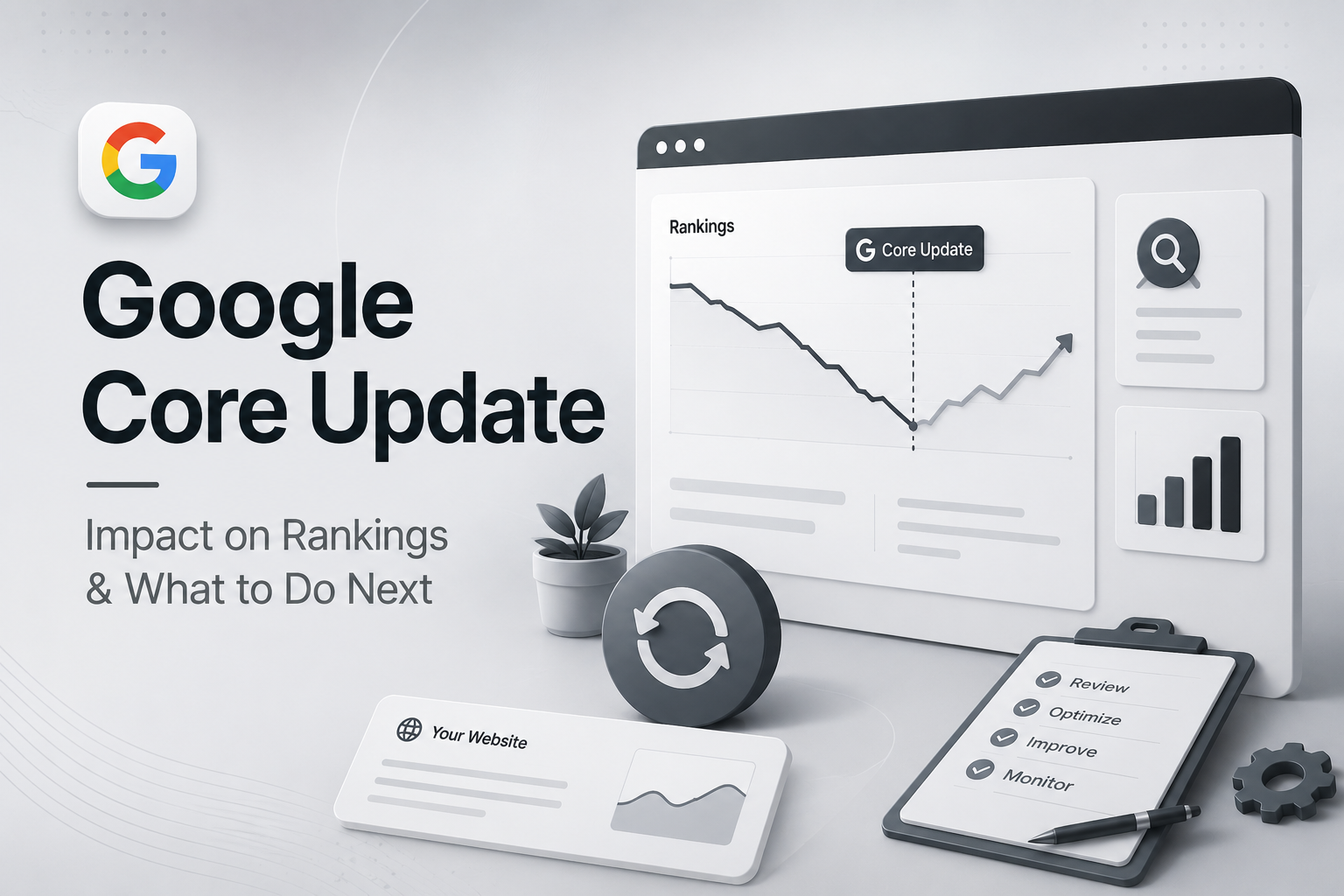
The first step is confirming the timing of any traffic drop aligns with the official rollout dates rather than assuming correlation without checking. Analytics tools make this comparison straightforward when reviewed carefully.
Look specifically at which pages lost the most visibility, since this often reveals patterns — such as thin product descriptions or outdated statistics — that point directly to the underlying cause.
Comparing affected pages against ones that held steady or improved after a Google Core Update often highlights the exact quality gap search engines are now weighing more heavily, giving you a clear starting point for improvement.
Recovery Strategies That Actually Work
Chasing quick fixes rarely works after a core update, since these changes reward genuine content quality improvements over time rather than technical tricks. Patience combined with real content upgrades tends to produce the best outcomes.
Focus on updating your most important pages first, adding depth, current examples, and clear expertise signals rather than spreading thin efforts across your entire site at once.
Building Long-Term Resilience Against Future Updates
Rather than reacting to each individual change, businesses that consistently prioritize genuinely helpful content tend to weather algorithm shifts with far less disruption. This proactive mindset reduces the anxiety around any future Google Core Update significantly.
Regularly refreshing older content, removing outdated pages, and strengthening your site’s overall authority through quality backlinks all contribute to greater long-term stability.
It also helps to diversify traffic sources so your business isn’t solely dependent on organic search. Email lists and direct traffic provide a buffer during periods of ranking volatility.
Documenting each update’s impact and your response in a simple log also builds institutional knowledge over time, making future fluctuations feel far less unpredictable to your team.
Frequently Asked Questions
- How long does it take to recover from a core update?
Recovery timelines vary widely, but many sites see gradual improvement over two to four months after making genuine content quality changes. Some recoveries only become visible after subsequent updates confirm the improvements.
- Should I make major website changes immediately after an update?
It’s generally better to analyze the data carefully before making drastic changes, since reactive decisions can sometimes cause further harm. A measured, research-based approach tends to produce better long-term results.
- Do core updates target specific industries more than others?
No, these updates apply broadly across all industries and content types rather than targeting specific niches. However, certain sectors with historically thin content, like affiliate sites, are often more visibly affected.
- Can technical SEO issues cause a ranking drop unrelated to an update?
Yes, technical problems like site errors or accidental deindexing can coincide with an update timeline purely by chance. It’s important to rule out technical causes before assuming the update itself is responsible.
- Is it possible to predict when the next update will happen?
Search engines occasionally announce broad update windows but rarely provide exact dates in advance. Staying focused on consistent content quality is a more reliable strategy than trying to predict timing.
Conclusion
Algorithm changes will always be part of running a website, but they don’t have to derail your long-term strategy. By understanding what a Google Core Update actually evaluates and responding with genuine content improvements rather than panic, your site can not only recover but emerge stronger than before. Focus on serving your audience well, monitor your performance data closely, and treat every update as an opportunity to refine your approach rather than a setback to fear.